The Judge
Finds the flaw before anyone else can. Criticizes first to stay one step ahead of rejection.
The Bus Framework
A Practical Guide to Loving Yourself—For Real
Have you ever said something you immediately regretted? Repeated a pattern in a relationship you swore you were done with? Reached for your phone, or a glass of wine — not because you needed it, but because something felt unbearable and you needed it to stop? These are not failures. They are what happens when a frightened passenger grabs the wheel without you noticing.

The passengers are not who you are. They are what happened to you.
The Passengers
Finds the flaw before anyone else can. Criticizes first to stay one step ahead of rejection.
Keeps everyone comfortable while quietly abandoning itself. Confuses being needed with being loved.
Scans constantly for danger, even when the danger is long gone. Its vigilance once kept you safe.
Clings tightly out of the terror that love will disappear — and in clinging, sometimes pushes it away.
Believes invisibility is the safest way to move through life. It stays unknown to stay unhurt.
Covers the flaws, performs the competence. If they knew who I really was, they would leave. Under the mask lies vast loneliness.
These are just six of the nineteen passengers waiting on your bus. The rest are in the book — and chances are, you'll recognize every single one.

Why This Is Different
People who reach for a self-help book are rarely lacking in self-awareness. They already know something is not working. They know they keep reacting the same way in relationships. They recognize the harsh inner voice that wakes them at 3am and understand, logically, that it is not helping. What they cannot figure out is why knowing all of this changes nothing.
Most approaches to personal growth ask people to override their inner voices through willpower, positive thinking, or affirmations. But the passengers on our bus do not respond to force or fixing. They are not broken. They respond to understanding. What we resist, persists. The parts we ignore do not disappear. They wait — and then, in our most unguarded moments, they grab the wheel.
When people see themselves react in ways that do not work — pull away from someone they love, act out in anger, medicate their pain with something, anything — they do not just feel frustrated. They feel ashamed. That shame becomes its own passenger, one of the loudest on the bus, and it makes genuine change almost impossible. This book addresses shame directly: not by dismissing it, but by helping readers understand where it came from, and why it no longer needs to be in charge.
You cannot love yourself by pretending the difficult parts do not exist. Real love begins when you can look at your most frightened passengers with honesty and compassion rather than shame.
From the Book
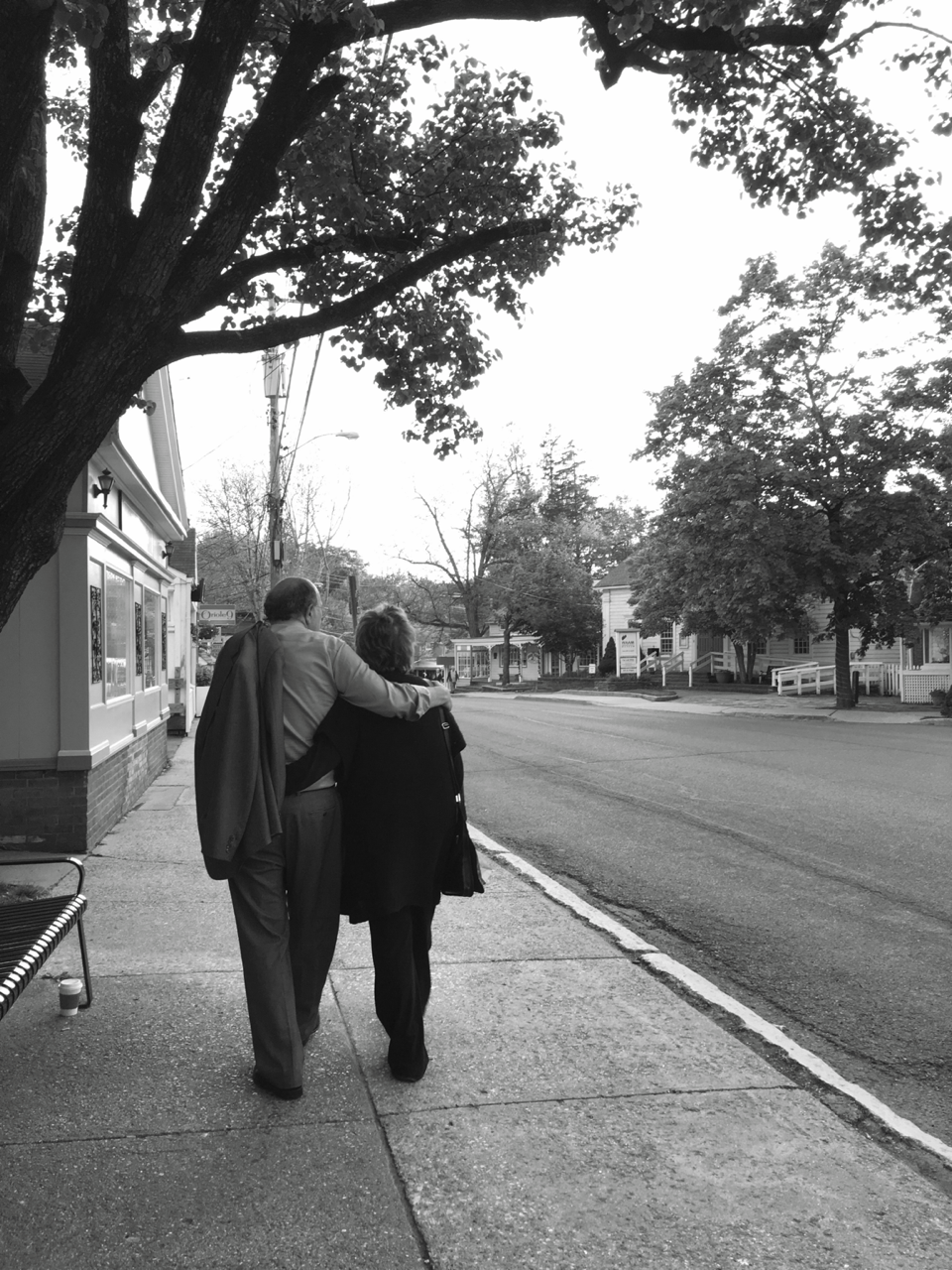
In 1968, Judy met someone at a party. The connection was immediate and the relationship meaningful. Before it ended, she had a dream: they were riding a train together, he stepped off at a station, and she stayed on. Not long after, he left.
Years of separation followed — including years of deep inner work on both sides. Then, after all that time, he got back on the train. They were together until his death two years ago, more healed and more loving of themselves and each other than either could have been before.
The dream was not just a prediction. It was a map. And the work she did in the years between was what made those final years possible. Relationships are not the problem. They are the curriculum.
About Judy
Judy Mahler Steinfeld, LCSW, trained at Columbia University and the Gestalt Center for Psychotherapy and Training in New York City, where she later served on faculty. Her approach has always been experiential rather than analytical — less interested in helping people understand their patterns from the outside than in helping them encounter those patterns directly, feel what they feel in the body, and find a way through.

Underneath All of It
Most people who struggle with self-criticism, fear, or repeating patterns are not broken. They have simply mistaken themselves for a frightened passenger. The Critic has been there so long it feels like personality. The Fear Maker feels so familiar it feels like identity.
But underneath all of them is something that is none of them. A True Self that is larger, steadier, and more capable of love than any single passenger has ever been. That distinction — between who you are and what happened to you — changes everything.
The goal is not to silence those passengers or push them off the bus. It is to meet them, understand where they came from, and gently move them back to their seats. They can ride. They just cannot drive.

The Book
A Practical Guide to Loving Yourself—For Real
Judy's first book is for readers who feel stuck in patterns they can see but cannot seem to change — who know, logically, that the inner critic is not helping, but cannot make it stop. Each chapter closes with a Bus Stop Practice: a short, grounded exercise drawn from decades of clinical work, designed to help readers pause, listen inward, and begin the work in real life.
Work With Judy
Judy works with individuals, groups, book clubs, Rotary Clubs, professional circles, and community organizations across New York, Los Angeles, and Santiago, Chile. The most common question after every session is the same: when will the book be available?